Event
2025 WAD Luxury Residence Design and Construction Summit
SAOTA Founding Partner Stefan Antoni Explores Human-Centred Innovation During China Engagements
Shanghai, April 2025 — SAOTA Founding Partner Stefan Antoni recently took part in two engagements in Shanghai, sharing perspectives on the intersection of technology and human-centred design in contemporary architecture.
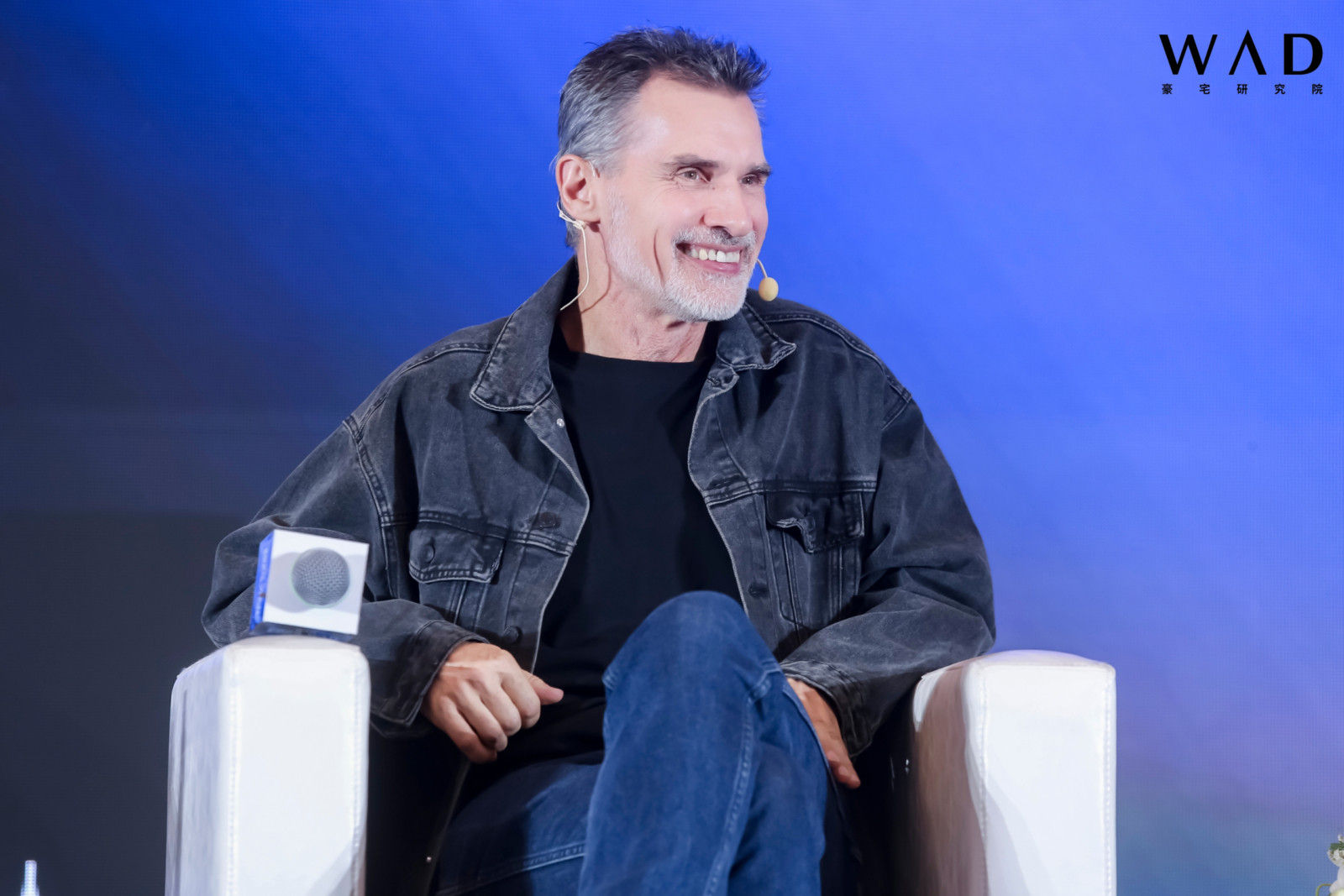
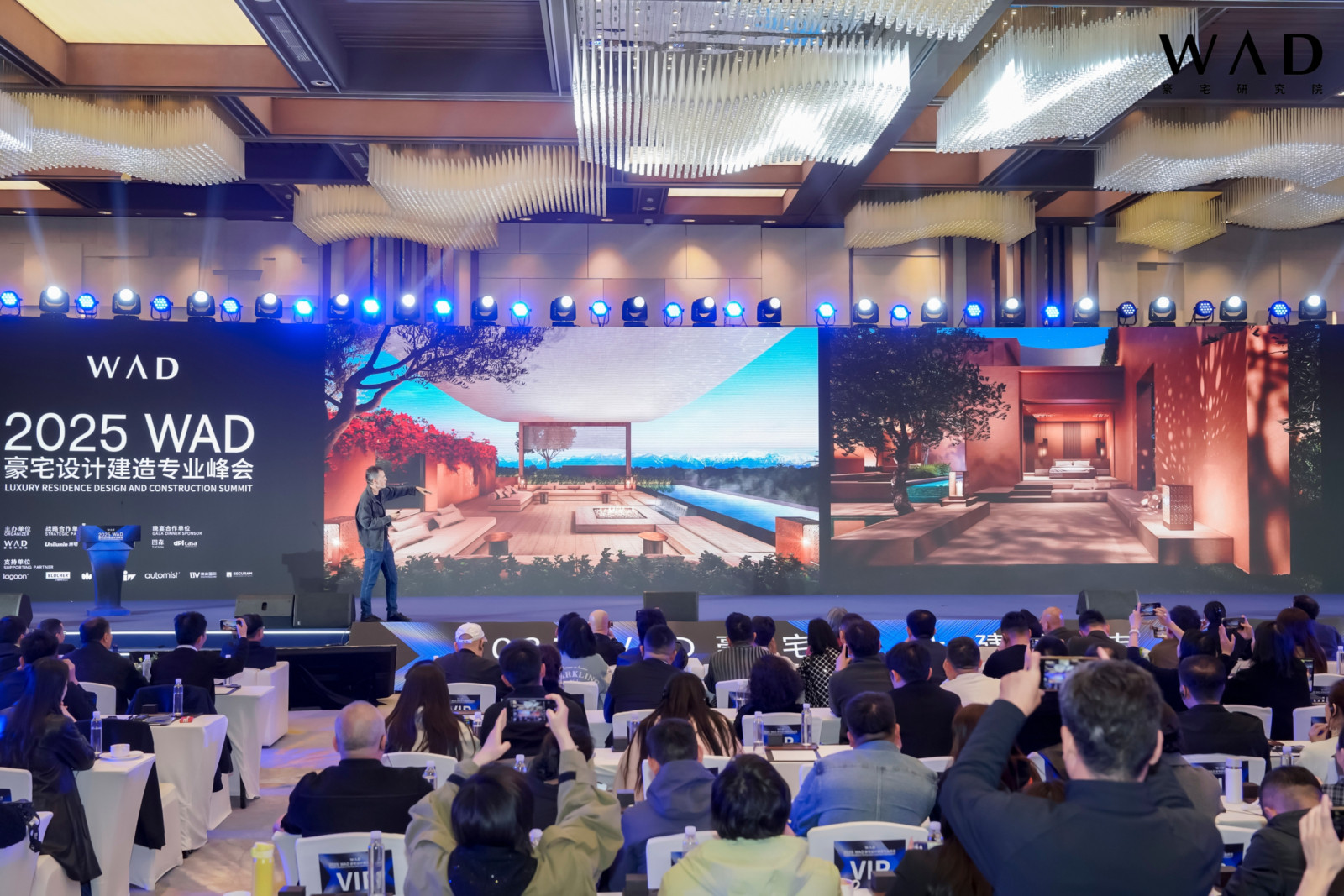
From 28–30 March, Antoni participated in the 2025 WAD Luxury Residence Design and Construction Summit, held at The Anandi Hotel and Spa. The event brought together professionals from across architecture and real estate to explore the future of luxury living, with a focus on innovation, sustainability, and international collaboration.
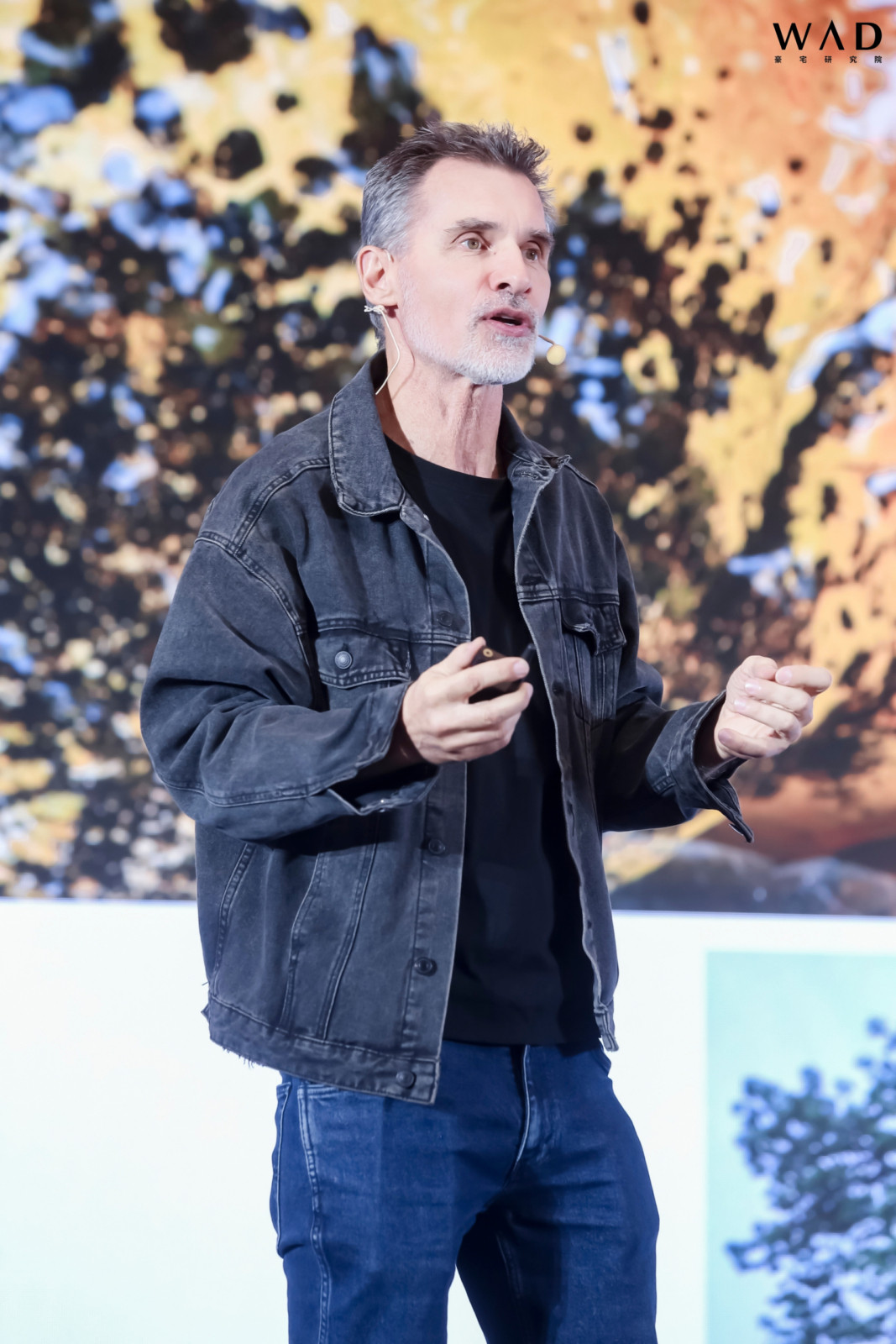
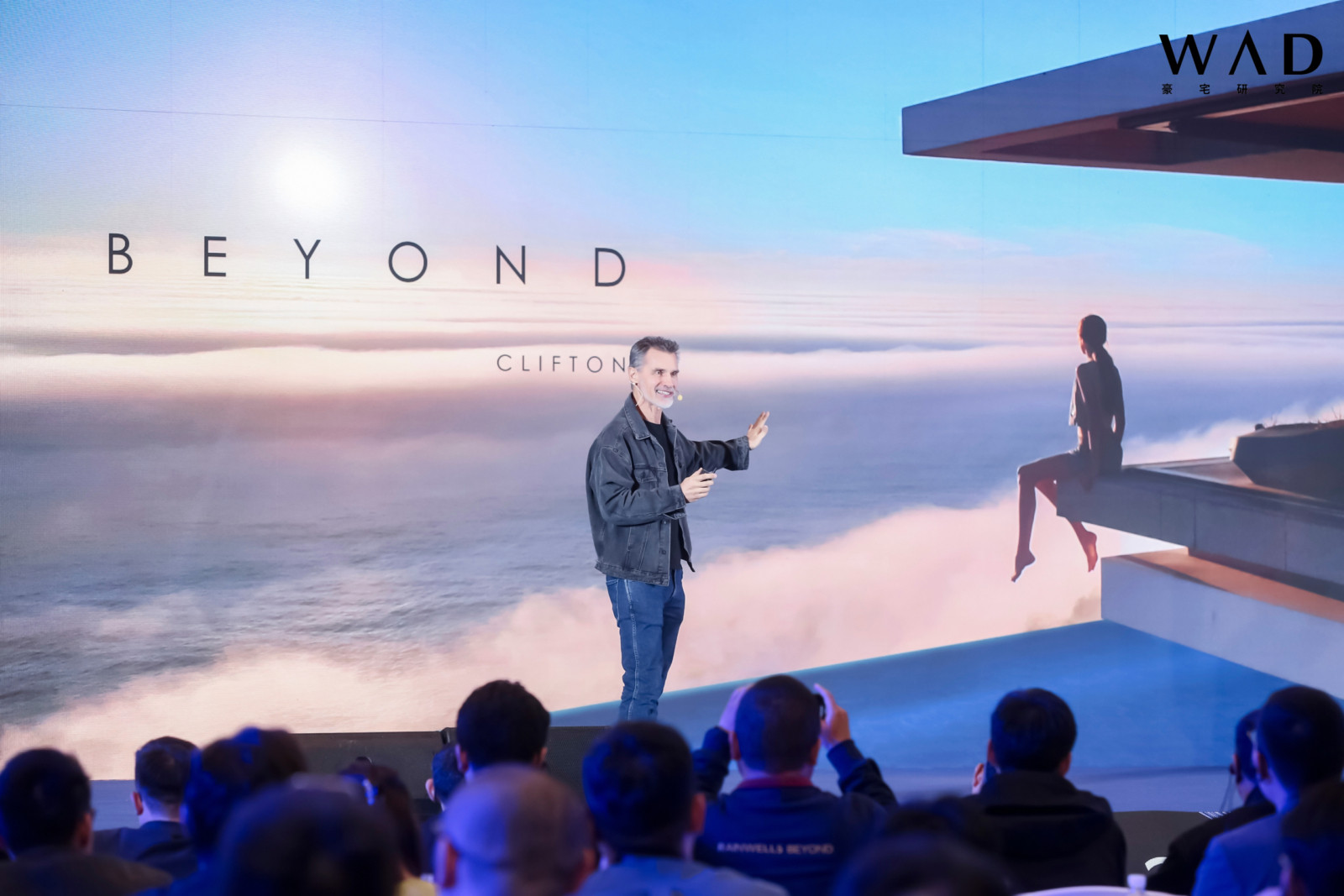
Antoni’s keynote on Saturday, 29 March reflected on how artificial intelligence is beginning to influence residential design. Drawing on two recent SAOTA projects—Meru in Mombasa, winner of the 2024 WAF Future Projects – House Award, and the Amanjena Residences in Marrakesh—he shared insights into how emerging technologies can support design thinking while keeping people and place at the centre of architectural responses.
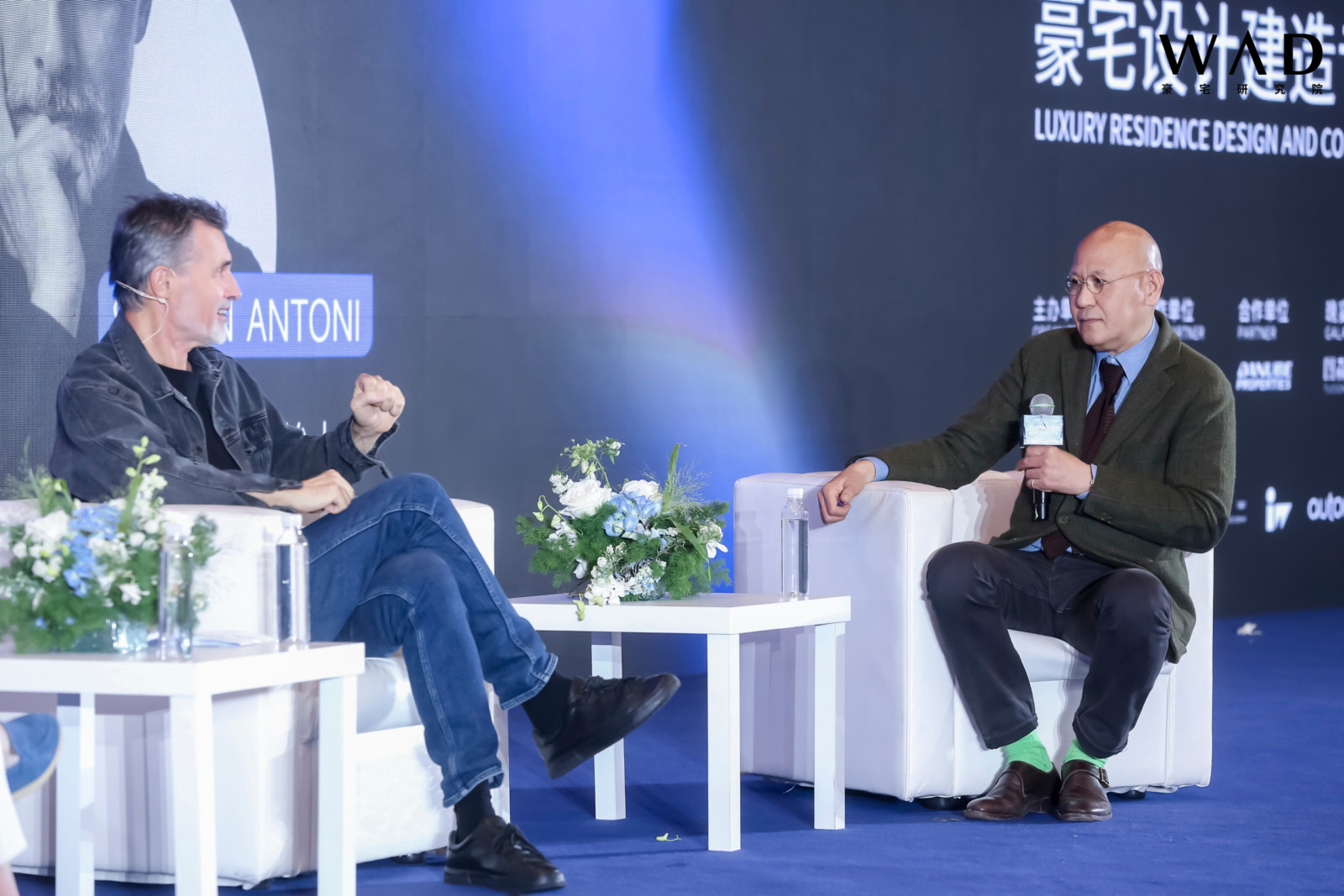
The summit also featured a live conversation between Antoni and internationally recognised designer Tony Chi, known for his “invisible design” approach. Their discussion centred on the evolution of luxury and the importance of sensory and emotional experience in both hospitality and residential spaces.
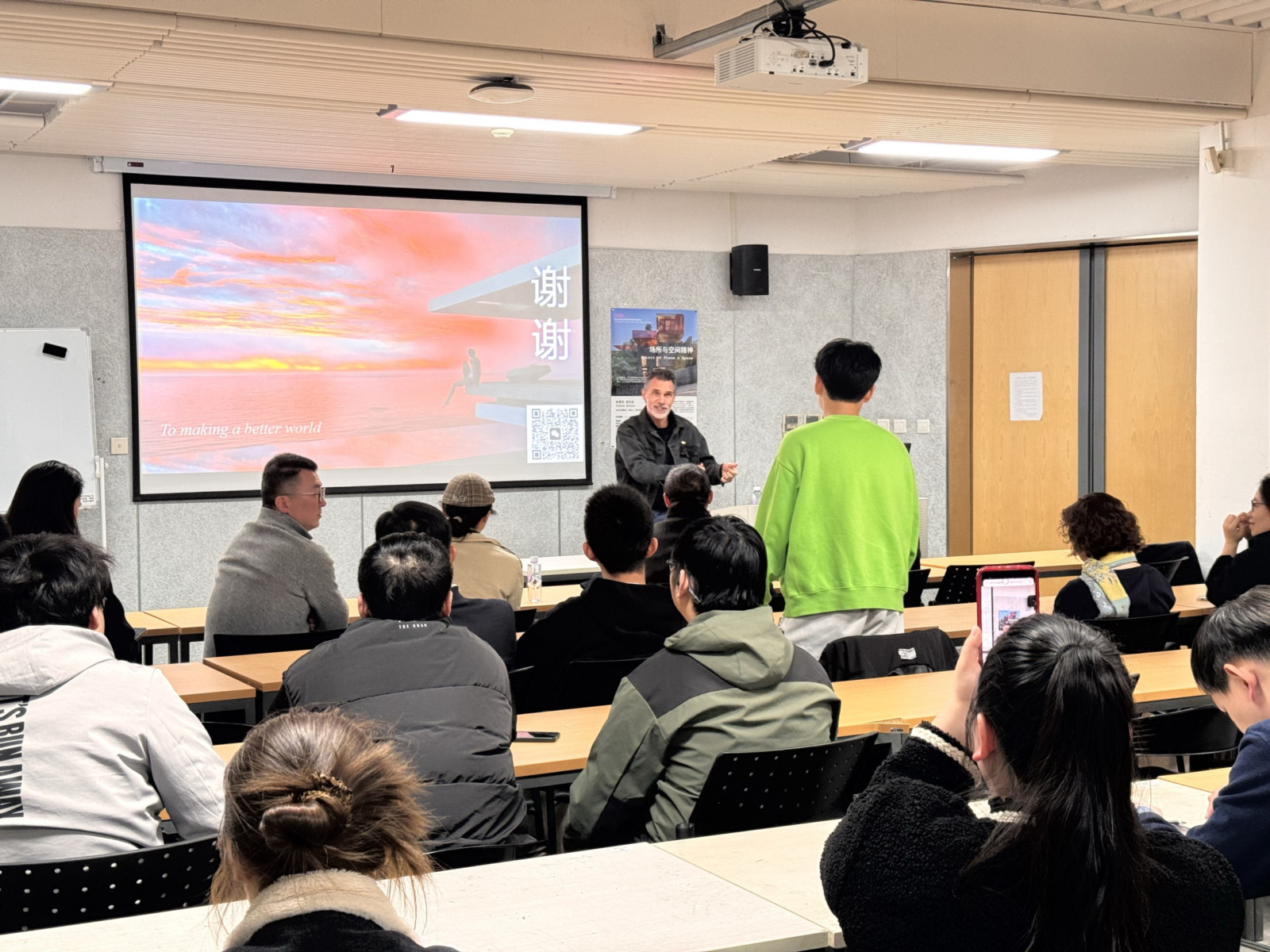
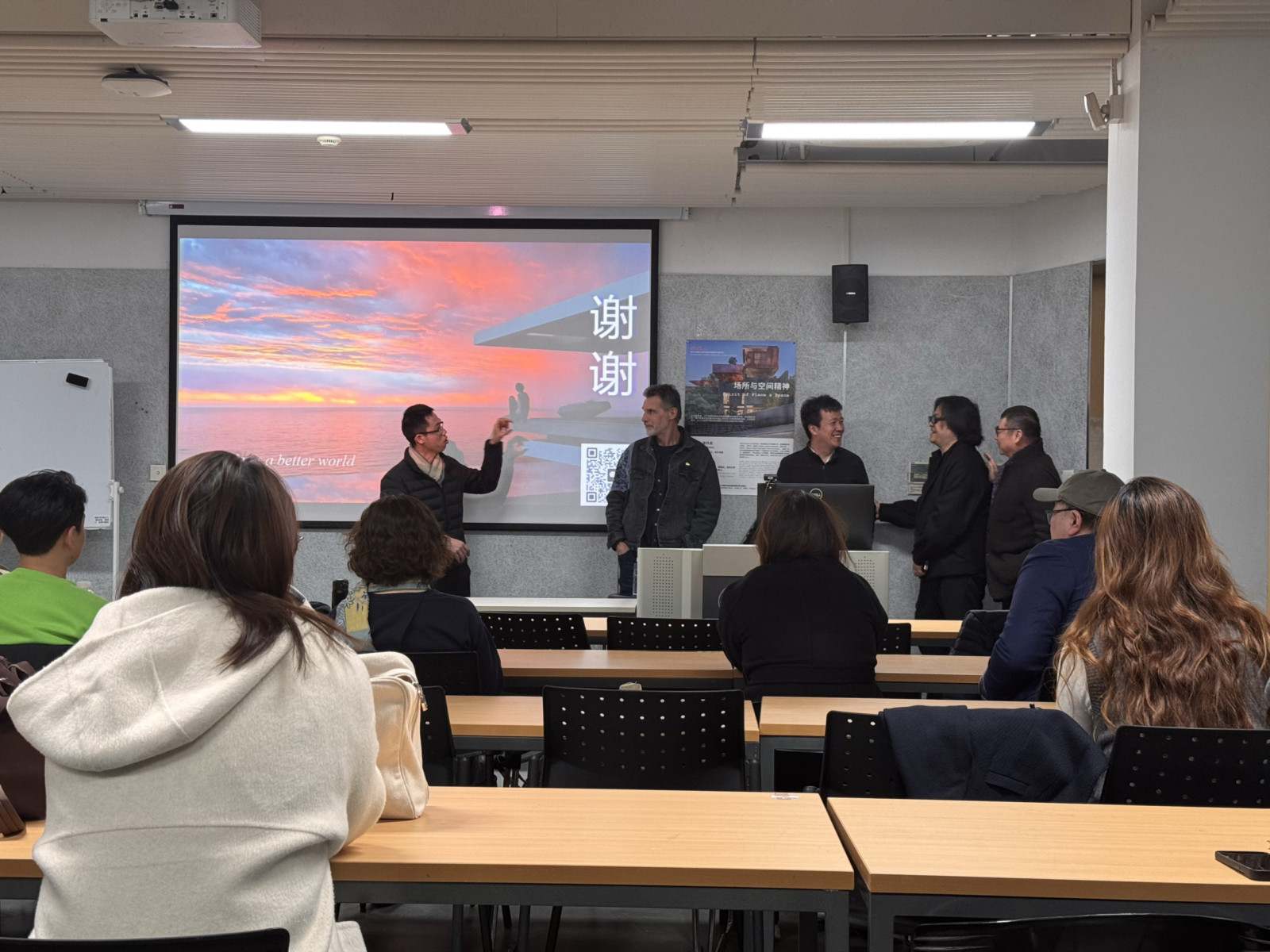
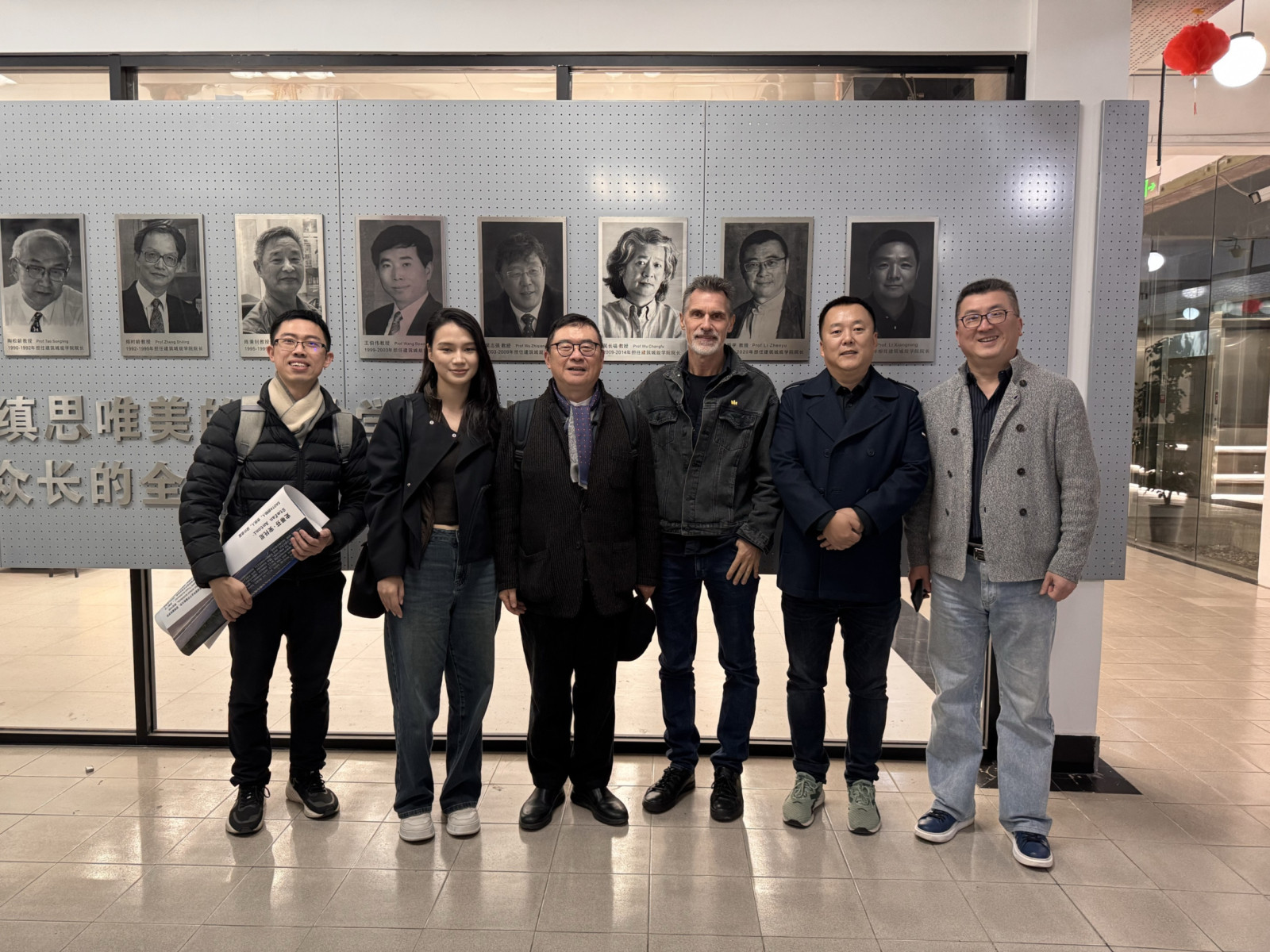
On 1 April, Antoni delivered a lecture at Tongji University’s College of Architecture and Urban Planning (CAUP), one of Asia’s most respected architecture schools. Titled Spirit of Place and Space, the lecture considered the role of human creativity in an increasingly digitised design environment. He encouraged students to use new tools thoughtfully, while remaining attentive to context, emotion, and meaning in the built environment.
Tongji University’s CAUP is internationally recognised for its interdisciplinary programs in architecture, urban planning, landscape architecture, heritage conservation, and urban design, and is a leading institution in the region.
Founded in Cape Town in 1987, SAOTA has grown into a globally recognised architecture studio with projects across Africa, Europe, Asia, the Middle East, and the Americas. The firm’s work in Asia includes residential and hospitality developments in China, Indonesia, Thailand, and India.
Antoni’s recent engagements in Shanghai reflect SAOTA’s ongoing interest in strengthening connections with both professional and academic communities, contributing to a wider dialogue around innovation, education, and the future of architecture.